

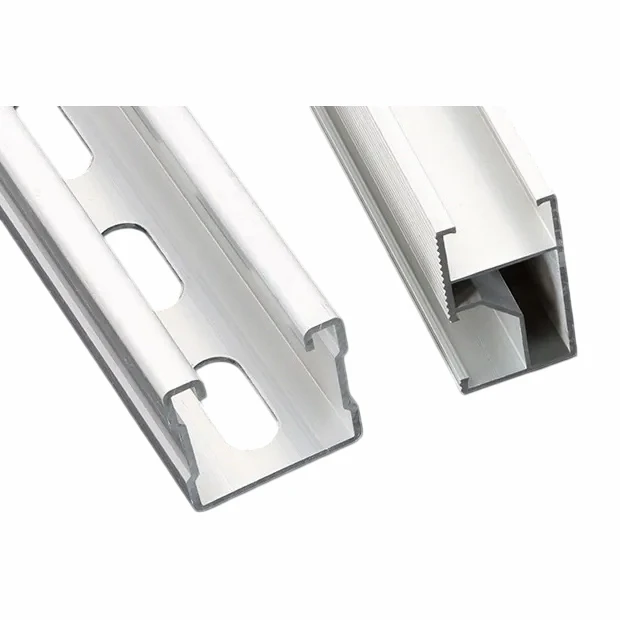
Heavy-duty steel cross arms are structural components used in overhead power distribution pole assemblies. They provide mounting points for insulators and associated line hardware according to approved utility structure designs.
For utility contractors, electrical equipment distributors, EPC contractors, and infrastructure procurement teams, correct cross-arm selection depends on structural dimensions, hole patterns, material specifications, design loads, and corrosion protection requirements.
Key Purchasing Considerations
• Structural Compatibility: Match the cross-arm profile, dimensions, reinforcement, and connection details to the approved pole structure design.
• Installation Requirements: Confirm hole diameter, spacing, positional tolerances, and pole attachment interfaces before production.
• Environmental Conditions: Specify the appropriate corrosion protection according to the installation environment and project requirements.
• Drawing-Based Production: Custom configurations are manufactured against confirmed technical specifications and approved drawings, subject to manufacturing feasibility review.
Product Types & Configuration Options
Different cross-arm configurations accommodate different pole structures and mounting arrangements. The final design must follow the applicable utility specification.
Angle Steel Cross Arms: Angle-section assemblies for pole structures specifying an angle profile, with dimensions and hole layouts determined by the approved design.
Channel or Tubular Cross Arms: Alternative structural profiles for projects requiring specified section geometry or connection arrangements, subject to engineering review.
Reinforced Cross Arm Assemblies: Configurations incorporating braces, gussets, mounting plates, or stiffeners where required by the approved design.
Custom Assemblies: Cross arms can be specified individually or with compatible braces and mounting hardware when included in the approved bill of materials.
Technical Specifications
The following table identifies the principal purchasing parameters. Actual values must be confirmed against the project drawings and applicable technical requirements.
|
Specification |
Requirements to Confirm |
|
Product Type |
Straight, angled, dead-end, or drawing-specific configuration |
|
Base Material |
Required steel grade and material standard |
|
Structural Profile |
Angle, channel, tubular, or custom section |
|
Dimensions |
Overall length, section width, depth, and thickness |
|
Mounting Holes |
Diameter, quantity, spacing, and positional tolerances |
|
Connection Details |
Pole interface, bolt pattern, and attachment hardware |
|
Design Requirements |
Applicable loads, engineering criteria, and acceptance requirements |
|
Surface Treatment |
Hot-dip galvanizing or other specified coating system |
|
Dimensional Tolerances |
Approved drawing tolerances and inspection criteria |
|
Documentation |
Material certificates, inspection records, and other agreed quality documents |
Manufacturing Process & Quality Control
Manufacturing controls should address material conformity, fabrication accuracy, assembly requirements, and final inspection.
Material Verification: Check steel grade, dimensions, and material certificates against the purchase specification before fabrication.
Cutting and Hole Processing: Produce component dimensions and mounting holes according to the approved drawing, with critical dimensions identified for inspection.
Forming and Welding: Apply the specified fabrication and welding procedures where forming, welded joints, reinforcement plates, or braces are required. Applicable welding standards and qualification requirements must be agreed for the project.
Dimensional Inspection: Verify overall length, section dimensions, material thickness, hole positions, and connection interfaces against the approved acceptance criteria.
Drawing Revision Control: Use the confirmed drawing revision for production. Changes must be reviewed and approved before implementation.
Quality Documentation: Provide material certificates, dimensional inspection records, and surface-treatment inspection records according to the agreed inspection and documentation plan.
Corrosion Protection & Customization
Surface protection should be selected according to the specified coating system, installation environment, and project acceptance requirements.
Hot-Dip Galvanizing: Where specified, hot-dip galvanizing can be assessed against ASTM A123/A123M or ISO 1461, as applicable to the product and project requirements.
Coating Inspection: Define the applicable coating thickness requirements, measurement method, visual acceptance criteria, and repair procedure before production.
Dimensional Customization: Specify cross-arm length, structural profile, material thickness, hole patterns, and mounting interfaces through approved drawings.
Assembly Options: Braces, mounting plates, bolts, nuts, and washers can be included when required by the approved assembly design and confirmed supply scope.
Pre-Production Approval: Review and approve production drawings, critical dimensions, material specifications, and surface-treatment requirements before bulk manufacturing.
Bulk Supply, Packaging & Logistics
Packaging and shipment arrangements should reflect the product dimensions, surface protection, handling requirements, and destination.
Bundling and Identification:
Agree on bundle configuration, protective materials, quantity labels, and order or batch identification requirements.
Transport Planning:
Confirm container loading or break-bulk arrangements according to product dimensions, shipment quantity, handling restrictions, and transport conditions.
Delivery Coordination:
Establish the required shipment date, destination, documentation, and inspection milestones before order confirmation.
Order Consistency:
Use approved specifications, drawing revisions, and agreed inspection criteria to control production across the confirmed order quantity.
Frequently Asked Questions
RFQ Checklist for Procurement Teams
For an accurate quotation, please provide the following information where applicable.
Product Drawings: Approved CAD drawings, technical data sheets, or dimensioned engineering drawings.
Material Requirements: Steel grade, material standard, thickness, and certificate requirements.
Dimensions and Hole Patterns: Overall length, structural profile, hole diameters, spacing, and tolerances.
Engineering Requirements: Applicable utility specifications, design loads, and other project acceptance criteria.
Surface Treatment: Required galvanizing or coating standard, thickness criteria, and inspection requirements.
Order Quantity: Initial order volume, repeat-order expectations, and required delivery schedule.
Quality Documentation: Material certificates, inspection reports, third-party inspection requirements, and other agreed records.
Packaging and Delivery: Marking instructions, packaging preferences, destination port or delivery address, and required delivery date.
Request a Quotation: Submit your drawings and technical requirements for a review of manufacturing feasibility, specification compliance, pricing, and lead time.
Hot Tags: heavy duty utility cross arm, China heavy duty utility cross arm manufacturers, suppliers, factory