

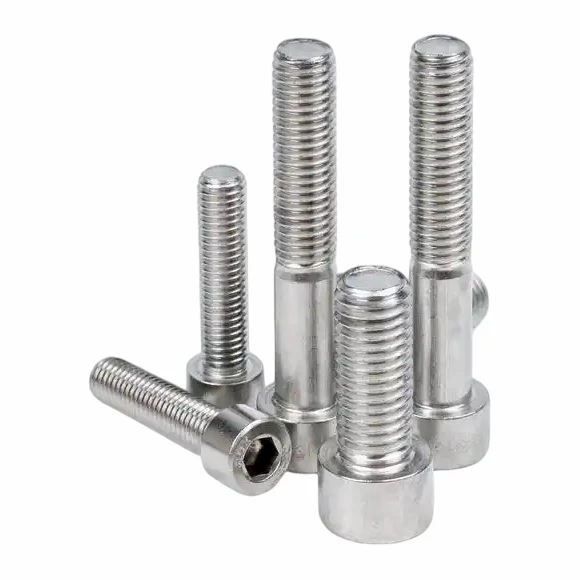
Solar ground screw piles are helical steel foundation components designed to support ground-mounted photovoltaic (PV) racking systems. Installed by rotary insertion into suitable soil, they provide a foundation connection for transferring structural loads from the mounting system into the ground.
For solar mounting manufacturers, EPC contractors, project developers, and wholesale distributors, selecting the right ground screw pile requires consideration of soil conditions, structural design loads, pile dimensions, corrosion exposure, and mounting interface compatibility.
Foundation Structure
A ground screw pile typically consists of a steel shaft with one or more helical plates and a connection head, flange, or mounting bracket. Its configuration must match the project's soil conditions and structural requirements.
Potential Construction Advantages
Where permitted by site conditions and engineering design, screw pile foundations can reduce excavation and concrete work. Installation suitability and expected construction benefits depend on ground conditions, access, installation equipment, and project requirements.
Typical Applications
Ground screw piles are used in utility-scale solar farms, commercial and industrial ground-mounted PV systems, and selected fixed-tilt or solar tracking structures, subject to engineering approval.
Site Suitability
Solid rock, large buried boulders, highly variable soil layers, and very soft organic soils may require alternative foundation designs or additional engineering assessment. A geotechnical investigation should inform final foundation selection.
Product Configurations and Technical Specifications
Available Configurations
Single-helix piles use one helical plate and are selected according to the soil profile and design loads.
Multi-helix piles incorporate multiple helical plates. Their suitability and load resistance depend on helix geometry, spacing, embedment depth, and soil properties.
Flanged and custom-head piles provide connection interfaces tailored to the mounting structure, including specified bolt patterns, brackets, and support-post connections.
Technical Specification Table
|
Parameter |
Specification or Selection Requirement |
|
Pile configuration |
Single-helix, multi-helix, flanged, or custom-head |
|
Shaft dimensions |
Outer diameter, wall thickness, and dimensional tolerances |
|
Overall length |
Required embedment depth and project-specific pile length |
|
Helix geometry |
Plate diameter, thickness, pitch, and spacing |
|
Steel grade |
Specified structural steel grade and applicable material standard |
|
Connection interface |
Flange dimensions, bolt-hole pattern, plate thickness, and reinforcement |
|
Surface protection |
Hot-dip galvanizing requirements and applicable coating standard |
|
Design loads |
Compression, uplift, lateral shear, and bending moment, as applicable |
|
Inspection requirements |
Dimensional checks, weld inspection, coating verification, and agreed documentation |
Final dimensions and material specifications should be confirmed against approved drawings, geotechnical information, structural calculations, and project-specific requirements.
Materials and Manufacturing
Steel Material and Traceability
Steel grade and product form should be specified in the purchase order. Applicable material standards may include ASTM A36, ASTM A500, or relevant EN structural steel and hollow-section standards, depending on the component and design requirements.
Material test certificates and batch traceability can be specified according to the procurement requirements and the supplier's verified documentation capabilities.
Manufacturing Process
Production may include steel cutting, shaft preparation, helix forming, welding, flange fabrication, and dimensional inspection. Actual processes and available manufacturing capabilities should be confirmed for the selected design.
Welding and Assembly
Welding procedures, personnel qualifications, inspection methods, and acceptance criteria should be defined according to the applicable project specifications and welding standards. Standards such as AWS D1.1 or ISO 3834 may be relevant where their scope and requirements apply.
Dimensional Verification
Key inspection points include shaft diameter, wall thickness, overall length, helix geometry, pile straightness, flange dimensions, and bolt-hole positions. Acceptance tolerances should be established in the approved drawings or purchase specification.
Quality Control and Corrosion Protection
Incoming Material Inspection
Material identification, dimensions, and available material certificates should be checked against the purchase specification before production.
Weld and Dimensional Inspection
Inspection may include visual examination, dimensional measurement, and specified non-destructive testing where required by the design or quality plan. Inspection methods and sampling frequency should be agreed before production.
Hot-Dip Galvanizing
Hot-dip galvanizing provides a zinc coating for corrosion protection. ISO 1461 or the applicable ASTM galvanizing standard may be specified according to the product, coating process, and contractual requirements.
Required coating thickness should be confirmed in the purchase specification rather than assumed to be identical for every pile design.
Soil Corrosivity and Installation
Soil resistivity, pH, moisture, and relevant chemical constituents can affect corrosion risk. Coating requirements should reflect the site environment and intended design life.
Installation procedures should also address coating damage, handling, and any required inspection or repair after installation.
Quality Documentation
Depending on the agreed quality plan and actual supplier capabilities, documentation may include material test certificates, dimensional inspection records, galvanizing thickness reports, and third-party inspection reports when arranged.
Engineering Selection and Customization
Geotechnical Conditions
Provide available soil investigation reports, borehole logs, groundwater information, and relevant soil corrosion data. These inputs help determine the appropriate pile configuration and embedment requirements.
Structural Design Loads
Specify the required compression, uplift, lateral shear, and bending resistance for each pile, together with the applicable design basis and load combinations.
Racking Compatibility
Submit mounting-system drawings showing connection dimensions, bolt-hole patterns, required elevations, and interface tolerances. Custom flanges and connection heads should be checked against the approved design.
Material and Corrosion Requirements
Confirm the required steel grade, material documentation, galvanizing standard, coating thickness, and project-specific durability requirements.
Project and Compliance Requirements
Identify the installation location, applicable building codes, design standards, inspection requirements, quantity, and target delivery schedule before finalizing the specification.
Frequently Asked Questions
Bulk Supply And RFQ Requirements
Ground screw piles can be specified for project-based orders and wholesale procurement, subject to confirmed manufacturing capabilities, material availability, and order requirements.
Information Required for a Quotation
|
RFQ Item |
Information to Provide |
|
Product design |
Single-helix, multi-helix, flange, or custom head |
|
Technical drawings |
PDF or CAD drawings with dimensions and tolerances |
|
Material |
Steel grade and required material documentation |
|
Dimensions |
Shaft diameter, wall thickness, length, and helix geometry |
|
Connection details |
Flange dimensions, bolt patterns, and mounting interface |
|
Coating |
Galvanizing standard and specified coating thickness |
|
Engineering inputs |
Soil report, design loads, and applicable project standards |
|
Order details |
Quantity, delivery destination, and required delivery date |
|
Commercial terms |
Requested Incoterms, packaging, and inspection requirements |
Packaging and Delivery
Packaging should be agreed according to pile dimensions, unit weight, transport method, and unloading requirements. Steel bundles or pallets may be considered where suitable. Shipping arrangements and lead times should be confirmed against the order quantity, production schedule, and destination.
Request a Technical Proposal
Send the relevant drawings, material and coating requirements, project location, design loads, estimated quantity, and target delivery schedule to support a technically informed quotation.
Hot Tags: ground screw pile for solar racking, China ground screw pile for solar racking manufacturers, suppliers, factory, photovoltaic connection accessories, photovoltaic junction box, PV cable joiner, PV connector harness, PV terminal block, solar cable management clip