

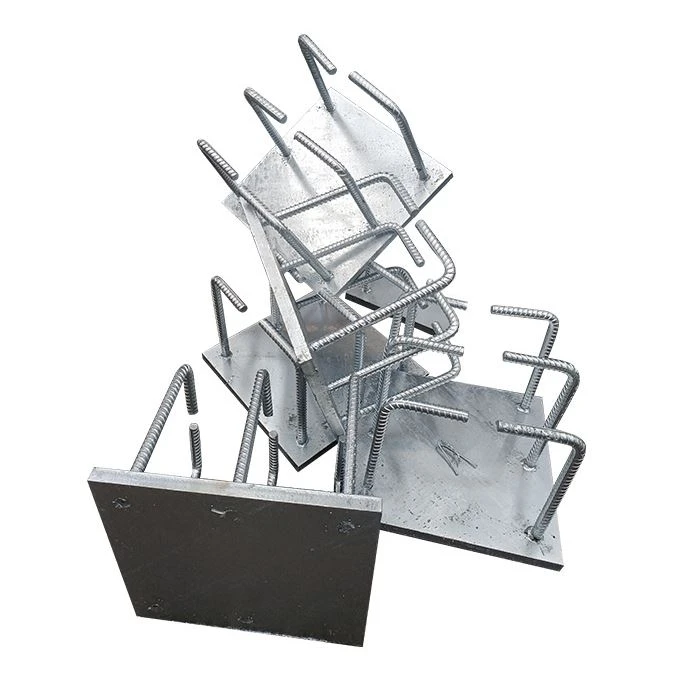
Galvanized solar ground screws are steel foundation components designed to support ground-mounted photovoltaic (PV) structures. Their helical blades engage with the soil during rotary installation, while the upper connection transfers loads between the foundation and the mounting structure.
For solar mounting manufacturers, EPC contractors, project developers, and distributors, selecting the right ground screw requires consideration of soil conditions, structural loads, corrosion exposure, installation equipment, and mounting interface requirements.
Product Overview and Applications
Key Structural Features
• Helical Steel Shaft
A steel shaft with one or more helical blades provides the ground-engaging foundation structure. Shaft dimensions, blade geometry, and embedment depth must be selected according to project conditions and engineering requirements.
• Hot-Dip Galvanized Surface
A zinc coating helps protect steel against corrosion. The required coating specification should reflect the intended service life, soil corrosiveness, and applicable project standards.
• Custom Mounting Connections
Upper connections may include flanges, mounting plates, or other engineered interfaces, subject to the available product design and approved drawings.
• Foundation Installation
Where soil and engineering conditions are suitable, ground screws can reduce the need for excavation and concrete curing associated with conventional cast-in-place foundations. Actual installation methods and time savings depend on site conditions and equipment.
Typical Applications
Ground-mounted commercial and utility-scale solar PV structures.
Fixed-tilt solar mounting systems requiring steel foundation connections.
Agricultural photovoltaic projects subject to site-specific engineering assessment.
Prefabricated steel structures requiring helical ground foundations.
Ground Screw Types and Technical Specifications
Common Configuration Options
• Flanged Ground Screws
Feature a flange at the upper end for connection to the mounting structure. Selection depends on flange dimensions, bolt-hole patterns, and alignment requirements.
• Plate-Connected Ground Screws
Use a mounting plate to connect the foundation to the supported structure. Plate thickness, hole spacing, and connection details should follow the approved design.
• Adjustable Ground Screws
Use an adjustable connection where the specified design allows height or alignment correction. Adjustment mechanism and permitted range must be confirmed for the selected model.
• Custom Helical Ground Screws
Can be configured around project drawings, including shaft dimensions, blade geometry, overall length, and head connections, subject to manufacturing capability and engineering approval.
Technical Specification Checklist
|
Parameter |
Information to Confirm |
|
Steel material |
Required grade, applicable material standard, and certification documents |
|
Shaft dimensions |
Outside diameter, wall thickness, and overall length |
|
Helical blades |
Diameter, thickness, pitch, number, and configuration |
|
Embedment depth |
Required installation depth based on site conditions and design |
|
Head connection |
Flange, plate, bracket, or other approved interface |
|
Connection details |
Hole diameter, spacing, bolt specifications, and tolerances |
|
Surface protection |
Hot-dip galvanizing requirements and applicable standard |
|
Design loads |
Compression, uplift, lateral load, and bending moment |
|
Inspection requirements |
Dimensional, weld, coating, and final inspection criteria |
Manufacturing Quality Control and Corrosion Protection
Manufacturing and Inspection
• Incoming Material Inspection
Verify material identification, dimensions, and available material certificates against the purchase specification.
• Fabrication and Welding
Check shaft dimensions, blade position, mounting interfaces, and weld conformity against approved drawings and inspection criteria.
• Galvanizing Inspection
Verify coating appearance and measure coating thickness according to the agreed specification and applicable standard. Acceptance criteria should be defined before production.
• Final Inspection and Packaging
Check product dimensions, connection details, identification, order quantity, and packaging requirements before shipment.
Inspection methods, acceptance limits, and documentation should be confirmed with the supplier before order placement.
Soil-Contact Corrosion Protection
• Soil Conditions
Soil chemistry, moisture, resistivity, salinity, and other site conditions can affect corrosion behavior. Project-specific assessment may be required.
• Coating Requirements
Specify the applicable galvanizing standard, required coating thickness, inspection method, and acceptance criteria according to project requirements.
• Handling and Repair
Agree on procedures for inspecting and handling coating damage. Any permitted repair method should comply with the applicable specification and project requirements.
Engineering Compatibility and Site Assessment
Ground screws are not suitable for every site. Dense gravel, cobbles, shallow bedrock, aggressive soil chemistry, and high groundwater levels may affect installation feasibility or foundation performance.
Information Required for Technical Assessment
Geotechnical Data
Provide available soil investigation reports and relevant groundwater or soil-corrosion information.
Structural Design Loads
Identify the required compression, uplift, lateral loads, and bending moments for the foundation design.
Installation Requirements
Confirm target embedment depth, installation equipment, site access, and any restrictions affecting rotary installation.
Mounting Structure Compatibility
Provide interface drawings showing head dimensions, bolt-hole patterns, connection requirements, and alignment tolerances.
Engineering Verification
Final suitability and load capacity should be established through appropriate engineering assessment and, where required, site-specific testing or installation verification. Product dimensions alone do not establish allowable load capacity.
Frequently Asked Questions
Bulk Supply, Customization, And Quotation
Customization Options
• Dimensions and Blade Configuration
Specify shaft diameter, wall thickness, length, blade diameter, blade thickness, pitch, and blade arrangement.
• Mounting Interfaces
Provide flange or plate drawings, hole patterns, bolt specifications, and any approved adjustment requirements.
• Material and Surface Treatment
Confirm the required steel grade, material documentation, galvanizing standard, coating acceptance criteria, and inspection records.
RFQ Checklist
To support an accurate quotation, please provide:
• Project drawings: Dimensioned CAD files, PDF drawings, or reference samples.
• Technical specifications: Shaft dimensions, blade configuration, head connection, and surface treatment requirements.
• Engineering information: Site location, available soil data, design loads, and required embedment depth.
• Order details: Quantity, delivery destination, target delivery date, and packaging requirements.
• Quality documentation: Required material certificates, inspection reports, and other agreed project documents.
Hot Tags: flange ground screw anchor, China flange ground screw anchor manufacturers, suppliers, factory, PV bonding clip, PV branch harness, PV connector locking sleeve, PV wire management system, solar cable management system, solar DC connector