

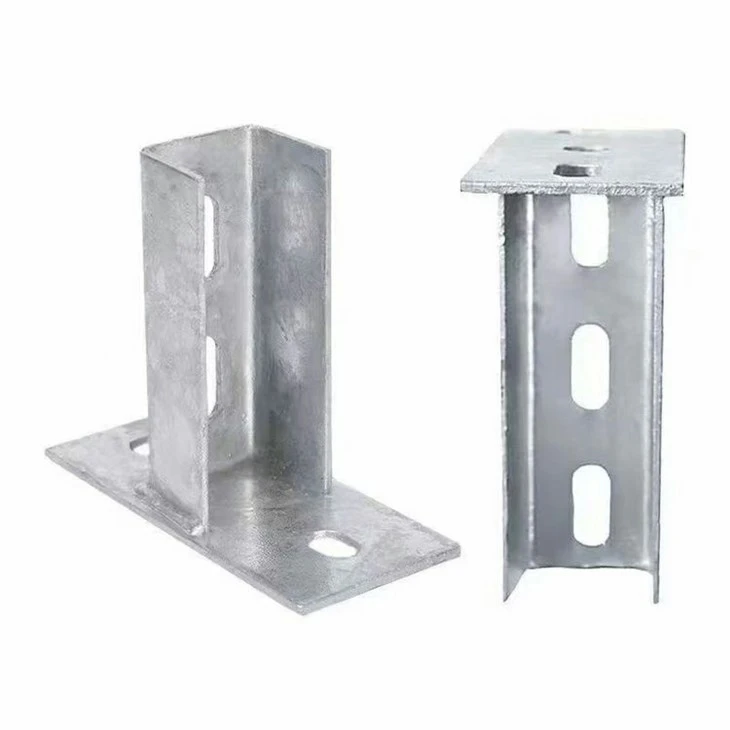
Metal roof solar mounting kits provide the clamps, brackets, rails, and fasteners used to secure photovoltaic (PV) modules to compatible metal roof structures. System selection depends on roof profile, sheet thickness, supporting structure, module specifications, and project-specific design loads.
Roof-Specific Configurations
Standing seam, trapezoidal, and corrugated roof systems require different attachment methods and mounting components. Compatibility must be confirmed against the actual roof profile and installation requirements.
Complete Mounting Hardware
Depending on the approved configuration, the bill of materials (BOM) may include roof clamps or brackets, mounting rails, mid-clamps, end-clamps, rail connectors, and fasteners.
B2B Supply Applications
Suitable for evaluation and sourcing by solar installation contractors, EPC companies, distributors, wholesalers, and commercial and industrial (C&I) project suppliers.
Product Types and Selection
Standing Seam Metal Roof Mounting Kits
• Attachment Method: Compatible seam clamps attach to raised roof seams without penetrating the roof sheet.
• Key Selection Factors: Seam geometry, seam material, clamp compatibility, allowable clamping force, and roof manufacturer's requirements.
Trapezoidal Metal Roof Mounting Kits
• Attachment Method: Profile-matched brackets, short rails, or full rail systems connect to compatible trapezoidal roof profiles.
• Key Selection Factors: Rib geometry, sheet thickness, bracket position, purlin layout, fastener specification, and sealing details.
• Typical Configuration: Penetrating attachments may be used where required by the approved system design.
Corrugated Metal Roof Mounting Kits
• Attachment Method: Profile-matched brackets or hanger-bolt assemblies are selected according to the corrugated sheet geometry and supporting structure.
• Key Selection Factors: Corrugation dimensions, fixing position, substrate or purlin details, fastener engagement, and the specified sealing system.
• Installation Requirement: Fasteners and seals must follow the approved installation details to address water ingress risks.
Technical Specifications
Final specifications depend on the selected mounting configuration, roof profile, module requirements, and project design criteria.
|
Specification |
Available Options / Requirements |
|
Roof Profile |
Standing seam, trapezoidal, or corrugated; exact profile confirmation required |
|
Attachment Method |
Seam clamp, roof bracket, hanger bolt, or other approved fixing |
|
Mounting Configuration |
Rail-based or rail-less, where available and technically suitable |
|
Rail Material |
Aluminum alloy; grade and temper to be confirmed |
|
Bracket and Clamp Material |
Specified aluminum alloy or corrosion-protected steel, according to design |
|
Fasteners |
Stainless steel or other specified grades; dimensions and finish to be confirmed |
|
Roof Sheet Thickness |
Confirm against the selected attachment system's approved limits |
|
Module Compatibility |
Based on module frame dimensions, thickness, and permitted clamping zones |
|
Surface Treatment |
Anodizing, galvanizing, or other specified protective finish, where applicable |
|
Design Loads |
Project-specific wind, snow, and other applicable loads |
|
Installation Orientation |
Portrait or landscape, according to the approved PV layout |
|
Technical Documents |
Available drawings, material documents, installation instructions, and engineering reports, as agreed |
Materials, Manufacturing and Customization
Material and Corrosion Compatibility
• Aluminum Components: Rail and bracket alloy grades should be confirmed against the approved product specification and material documentation.
• Steel Components: Steel parts may be used where required by the mounting design. Grade and corrosion-protection requirements should be specified for the intended environment.
• Galvanic Corrosion Assessment: Contact between aluminum, stainless steel, galvanized steel, and the roof material should be evaluated according to the material combination, moisture exposure, and project environment.
Manufacturing and OEM/ODM Options
• Precision Processing: Extrusion, cutting, punching, CNC machining, and stamping may be used according to component design and production requirements.
• Product Customization: Available options may include rail lengths, bracket dimensions, hole positions, selected surface finishes, and component configurations, subject to technical review.
• Private Label and Packaging: Logo marking, product identification, and customized packaging can be discussed according to order quantity and production capability.
Custom tooling, special finishes, and non-standard configurations require confirmation of feasibility, minimum order quantity, cost, and lead time.
Quality Control and Documentation
Inspection requirements should be agreed upon before production and linked to the approved drawings, specifications, and purchase order.
Dimensional Inspection: Check relevant rail dimensions, bracket hole positions, clamp interfaces, and other specified features against approved drawings.
Material Verification: Material certificates or mill test certificates may be supplied when available and agreed upon in the purchase order.
Surface Treatment Verification: Coating or anodizing thickness and corrosion testing can be specified according to the applicable product requirements and agreed test methods.
Batch Identification and Packing: Component identification, quantity checks, and packing records should follow the agreed order and traceability requirements.
Engineering Documentation: Structural calculations, test reports, and compliance documents should be confirmed for the specific product configuration and project. Do not assume that every document is available for every mounting kit.
Applications
Commercial and Industrial Rooftops: Mounting configurations for warehouses, manufacturing facilities, and other commercial buildings, subject to roof and structural verification.
Agricultural Buildings: Solutions for compatible metal roof profiles, with particular attention to the roof structure, environmental exposure, and fixing details.
Solar Installation and Distribution: Configurations for contractors, EPC companies, distributors, and wholesalers sourcing mounting hardware for defined projects or product ranges.
Final suitability depends on roof construction, project loads, mounting design, and local requirements.
Bulk Orders, Packaging and Lead Time
Bill of Materials (BOM):
Component types and quantities should be confirmed against the approved mounting layout and order scope.
Bulk Packaging:
Packaging method, component labeling, carton or pallet configuration, and shipment identification can be specified according to handling and logistics requirements.
Order Quantity and Lead Time:
MOQ and production lead time depend on the selected configuration, material availability, tooling, surface treatment, and order volume. Confirm these details before purchase-order approval.
Shipping Terms:
FOB, CIF, DAP, or DDP may be discussed according to the shipment route, destination, and agreed division of responsibilities.
RFQ Checklist
To support an accurate quotation and technical review, please provide the following information where available.
|
Required Information |
Details to Provide |
|
Roof Profile |
Roof cross-section drawing, rib dimensions, sheet material, and thickness |
|
Supporting Structure |
Purlin material, spacing, and available fixing details |
|
PV Modules |
Manufacturer datasheet, dimensions, frame thickness, and permitted clamping zones |
|
Project Location |
Country, site location, applicable design criteria, and environmental exposure |
|
System Layout |
Module quantity, roof pitch, installation orientation, and mounting layout, if available |
|
Order Requirements |
Estimated quantity, required delivery date, and destination |
|
Documentation |
Required calculations, material certificates, testing reports, and local compliance documents |
|
Customization |
Rail lengths, bracket details, finish, labeling, and packaging requirements |
Providing these details early helps identify compatibility issues and clarify the scope of supply before quotation and production.
Frequently Asked Questions
Request a Metal Roof Solar Mounting Kit Quotation
Send your roof profile drawing, PV module specifications, project location, and estimated order quantity for a compatibility review and quotation.
The proposed scope of supply, technical requirements, documentation, packaging, and delivery schedule can then be confirmed before order placement.
Drawings and detailed specifications help clarify non-standard requirements and reduce the risk of mismatched dimensions, threads, coatings, or mating components.
Hot Tags: metal roof solar racking kit, China metal roof solar racking kit manufacturers, suppliers, factory, PV connector accessories, PV preassembled cable, solar cable accessories, solar DC connector, solar junction box, solar surge protection device